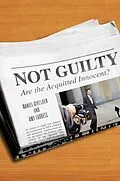
As scores of death row inmates are exonerated by DNA evidence and innocence commissions are set up across the country, conviction of the innocent has become a well-recognized problem. But our justice system makes both kinds of errors?we acquit the guilty and convict the innocent?and exploring the reasons why people are acquitted can help us to evaluate the efficiency and fairness of our criminal justice system. Not Guilty provides a sustained examination and analysis of the factors that lead juries to find defendants ?not guilty,? as well as the connection between those factors and the possibility of factual innocence, examining why some criminal trials result in not guilty verdicts and what those verdicts suggest about the accuracy of our criminal process.
Autorentext
Daniel Givelber is Professor of Law and former Dean at Northeastern Law School of Law. A founding member of the New England Innocence Project, he has also been involved in death penalty litigation both through directing Northeastern's Certiorari Clinic and by the successful decade long representation of a death row inmate.
Inhalt
Introduction: Invisible Innocence
2 Judge and Jury Decisions to Acquit: What We
Know from Social Science Research
3 Screening for Innocence
4 Understanding Why Judges and Juries Disagree
about Criminal Case Outcomes: Are Jury
Verdicts an Expression of Sentiment?
5 Th e Defense Case
6 Th e Impact of Race on Judge and Jury
Decision Making
7 Conclusion
Appendix A
Appendix B
Appendix C
Notes
Bibliography
Index
About the Author