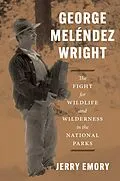
The first biography of a visionary biologist whose groundbreaking ideas regarding wildlife and science revolutionized national parks. When twenty-three-year-old George Melndez Wright arrived in Yosemite National Park in 1927 to work as a ranger naturalist-the first Hispanic person to occupy any professional position in the National Park Service (NPS)-he had already visited every national park in the western United States, including McKinley (now Denali) in Alaska. Two years later, he would organize the first science-based wildlife survey of the western parks, forever changing how the NPS would manage wildlife and natural resources. At a time when national parks routinely fed bears garbage as part of "e;shows"e; and killed "e;bad"e; predators like wolves, mountain lions, and coyotes, Wright's new ideas for conservation set the stage for the modern scientific management of parks and other public lands.Tragically, Wright died in a 1936 car accident while working to establish parks and wildlife refuges on the US-Mexico border. To this day, he remains a celebrated figure among conservationists, wildlife experts, and park managers. In this book, Jerry Emory, a conservationist and writer connected to Wright's family, draws on hundreds of letters, field notes, archival research, interviews, and more to offer both a biography of Wright and a historical account of a crucial period in the evolution of US parks and the wilderness movement. With a foreword by former NPS director Jonathan B. Jarvis, George Melndez Wright is a celebration of Wright's unique upbringing, dynamism, and enduring vision that places him at last in the pantheon of the great American conservationists.