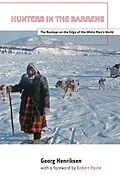
This comprehensive study of the Naskapi Indians of Labrador is based on an anthropologist's life with them between 1966 and 1968, when families still followed the traditional pattern of hunting on the barrens during the winter and returning to their costal settlements in the summer. Now the Naskapi live in coastal settlements; no longer in possession of their own culture, they have become sedentaries under white tutelage. This description of two antithetical worlds provides valuable insights for anyone interested in contemporary native rights issues.
Autorentext
Georg Henriksen (1940-2007) was Professor of Social Anthropology at the University of Bergen (Norway). He first carried out extensive fieldwork among the Innu in 1966-68, and for the rest of his life kept returning to Labrador. It was his deep concern for the future of the Innu people, and that of other indigenous peoples, that drove him to participate in the founding of IWGIA (International Work Group for Indigenous Affairs). He always retained a special fondness for the Innu people, and a great personal, professional and political interest in their affairs.
Inhalt
Foreword by Robert Paine
Preface
Introduction
PART I: THE SETTING
Chapter 1. The Naskapi and their Environment
PART II: THE WORLD OF THE HUNTER
Chapter 2. Nomads in the Barren Lands
Chapter 3. Leadership in the Barren Ground World
Chapter 4. Socio-Territorial Groupings
PART III: SEDENTARIES UNDER WHITE TUTELAGE
Chapter 5. The Coastal World
Chapter 6. The Naskapi and their White Patrons
Chapter 7. The Meaningfulness of the Two Worlds of the Naskapi
Postscript: The Future of the Naskapi
Appendix
References
Index
List of Institute Publications