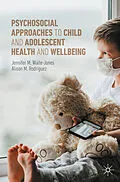
This textbook provides an engaging guide to psychosocial theories of child and adolescents' wellbeing, demonstrating how psychology and sociology can be used to address key contemporary issues for those working with children and adolescents. It begins with an examination of the socially constructed nature of 'childhood' and 'adolescence', and impact of cultural context on the conditions for 'well-being', before outlining core psychological and sociological theories of childhood and adolescence. It adopts a psychosocial approach to illustrate the influence of social context on biologically based development in relation to topics including attachment, learning, play, parenting, family life, deviance, medicalisation, long-term conditions, vulnerability, and resilience.
Through encouraging analysis of a practice-oriented case study and offering reflective questions it provides a robust introduction to how psychosocial perspectives may be applied within health, social care, and education contexts. It offers students of Social Work, Nursing, Education, Psychology and Child and Adolescent Studies the critical and theoretical tools to evaluate the interlocking psychosocial factors influencing the lives of those who will be in their care.
Autorentext
Jennifer M. Waite-Jones is Visiting Lecturer in Health and Developmental Psychology, at the School of Healthcare, University of Leeds, UK, where she is particularly concerned with the application of psychology and sociology to child and family health.
Alison M. Rodriguez is Lecturer Child and Family Health at the School of Healthcare, University of Leeds, UK. Alison is a chartered Psychologist and Fellow of the Higher Education Academy with extensive teaching, research and supervision experience in health and critical health psychology.
Inhalt
List of tables
List of Figures
About the Authors
Acknowledgements
Preface
Chapter 1. Introduction
- References
Chapter 2. Changing Concepts of Childhood and Adolescence
- The social construction of 'childhood' and 'adolescence'
Pre-industrial concepts of childhood
Childhood and adolescence during the industrial revolution
Childhood and adolescence since industrialisation
- Current concepts of childhood and adolescence
Current concerns with child and adolescent protection and wellbeing
Experience of childhood and adolescence - improved or deteriorating?
Improving the lives of children and adolescents
- Summary
- Case study questions
- Reflective questions
- References
Chapter 3. Psychosocial Theories of Childhood and Adolescence
- Childhood and adolescence and the psychosocial approach
Feminist theories
- Theories within Psychology
Biology based theories
Psychodynamic theories
Cognitive theories
Behavioural theories
Social Cognitive theory
- Theories within Sociology
Interactionist theories
Functionalist theory
Developing a Bio-Psychosocial approach
Systems theory
- Summary
- Case study questions
- Reflective questions
- References
Chapter 4. Attachment, Parenting, and Culture
- Origins of attachment theory and its impact on early child development Influences on attachment theory
Attachment theory and separation anxiety
Attachment theory and parenting styles
- Influence of attachment during adolescence
Attachment and adolescent emotion regulation
Psychosocial changes during adolescence
Attachment and vulnerability during adolescence
- Parenting and culture
Historical context of attachment and parenting
Impact of attachment theory on parenting and family life
Social influences on parenting
- Attachment, health, and therapeutic approaches
Attachment and health
Attachment as a basis for therapeutic approaches
- Attachment and the covid-19 pandemic
- Summary
- Case study questions
- Reflective questions
- References
Chapter 5. Sociability, Self-identity, and Self-esteem
- Influence of temperament and attachment on sociability
Temperament, age, and sociability
Development of self-concept
- The role of empathy and theory of mind in sociability
Empathy and awareness of the needs of others
Problems with understanding others in later childhood and adolescence
Cognitive control over prosocial and antisocial behaviour
- Socialisation, sociability, and self-esteem
The influence of the family on concepts of self and self-esteem
Self-identity, class, ethnicity, and gender socialisation
- Summary
- Case study questions
- Reflective questions
- References
Chapter 6. Play, Learning and Developmental Wellbeing
- Learning and its impact on wellbeing
- Definitions and types of play
- Play and child development
Language development
Socio-emotional and physical development
- Play and learning
Educational play centred programmes
- Cultural and societal challenges to play
Play spaces
Parental beliefs
Modern day challenges
Reduced child driven play
- Impact of Covid-19
- Solutions
The therapeutic use of play
Supporting parents
- Summary
- Case study questions
- Reflective questions
- References
Chapter 7. Ambiguity within Family Life
- Function of families
Families as social systems
Family, images, ideals, and reality
Family paradox
- Family structures
Diversity of family lives
Roles and relationships within families
Impact of new family forms
- Responding to family needs in practice
Family theories as frameworks for child and adolescent care
Family based policies and initiatives
Family centred health and social care and joined up services
- Summary
- Case study questions
- Reflective questions
- References
Chapter 8. Deviance and Labelling
- Defining deviance
Evolutionary explanations of conformity and deviance
Inherited pre-dispositions for pro and anti-social behaviour
Social shaping of inherited abilities
Function of attitudes and prejudice towards deviance within social groups
- Deviance as a social construct
Primary and secondary deviance
Amplification of deviance and moral panics
Current relevance of labelling theory
Deviance and agencies of social control
Deviance, crime, and care
Labelling in education
Labelling and health
Labelling and family life
- Summary
- Case study questions
- Reflective questions
- References
Chapter 9. Medicalisation of children and adolescents' lives
- Changing attitudes towards difference in appearance and behaviour
Bad or mad, or sad? Pathologising child and adolescent's behaviour
Atypica…
Titel
Psychosocial Approaches to Child and Adolescent Health and Wellbeing
EAN
9783030993542
Format
E-Book (pdf)
Hersteller
Veröffentlichung
07.07.2022
Digitaler Kopierschutz
Wasserzeichen
Dateigrösse
6.55 MB
Anzahl Seiten
270
Unerwartete Verzögerung
Ups, ein Fehler ist aufgetreten. Bitte versuchen Sie es später noch einmal.