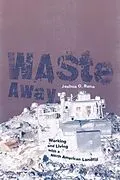
Though we are the most wasteful people in the history of the world, very few of us know what becomes of our waste. In Waste Away, Joshua O. Reno reveals how North Americans have been shaped by their preferred means of disposal: sanitary landfill. Based on the author's fieldwork as a common laborer at a large, transnational landfill on the outskirts of Detroit, the book argues that waste management helps our possessions and dwellings to last by removing the transient materials they shed and sending them elsewhere. Ethnography conducted with waste workers shows how they conceal and contain other people's wastes, all while negotiating the filth of their occupation, holding on to middle-class aspirations, and occasionally scavenging worthwhile stuff from the trash. Waste Away also traces the circumstances that led one community to host two landfills and made Michigan a leading importer of foreign waste. Focusing on local activists opposed to the transnational waste trade with Canada, the book's ethnography analyzes their attempts to politicize the removal of waste out of sight that many take for granted. Documenting these different ways of relating to the management of North American rubbish, Waste Away demonstrates how the landfills we create remake us in turn, often behind our backs and beneath our notice.
Autorentext
Inhalt
Autorentext
Joshua O. Reno is Assistant Professor of Anthropology at Binghamton University.
Inhalt
List of Illustrations
Acknowledgments
Introduction
Interlude: A Note on Drawing and Ethnography
1 Leaky Bodies
2 Smells Like Money
?3 Going Shopping
?4 Wasteland Historicity ?
5 Ghostly and Fleshly Lines
Conclusions
Notes
Bibliography
? Index
Titel
Waste Away
Untertitel
Working and Living with a North American Landfill
Autor
EAN
9780520963771
Format
E-Book (epub)
Hersteller
Veröffentlichung
09.02.2015
Digitaler Kopierschutz
Wasserzeichen
Anzahl Seiten
288
Unerwartete Verzögerung
Ups, ein Fehler ist aufgetreten. Bitte versuchen Sie es später noch einmal.