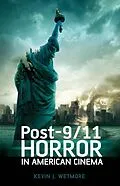
Post-9/11 Horror in American Cinema illustrates how contemporary horror films explore visceral and emotional reactions to the attacks and how they underpin audiences' ongoing fears about their safety. It examines how scary movies have changed as a result of 9/11 and, conversely, how horror films construct and give meaning to the event in a way that other genres do not. Considering films such as Quarantine, Cloverfield, Hostel and the Saw series, Wetmore examines the transformations in horror cinema since 9/11 and considers not merely how the tropes have changed, but how our understanding of horror itself has changed.
Autorentext
Kevin J. Wetmore, Jr. is an associate professor of theatre arts at Loyola Marymount University, the author and editor of ten books including The Empire Triumphant: Race, Religion and Rebellion in the Star Wars Films, and a contributor to numerous volumes on sci-fi, pop culture and religion, including essays on Godzilla, Star Wars, and Battlestar Galactica. His areas pf expertise include Japanese theatre, African theatre, Shakespeare, Greek tragedy, stage combat and comedy.
Inhalt
Acknowledgements
Introduction: Terror and Horror
Chapter One: 9/11 as Horror
Cloverfield vs War of the Worlds
Chapter Two: Documenting the Horror
Cloverfield, Diary of the Dead, REC, Quarantine, Paranormal Activity
Chapter Three: "Because you were home": Anonymous and Random Death
The Strangers Chapter Four: "Torture Porn" and What It Means to Be American
Saw and Hostel
Chapter Five: Hopeless Bleak Despair
The Mist Chapter Six: Fear of Religion
End of the Line, House of the Devil and The Last Exorcism
Chapter Seven: Horrific Nostalgia: Remaking the Slasher Film
Conclusion
Bibliography and Filmography
Index