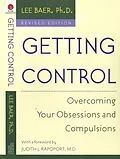
Six million Americans suffer from Obsessive-Compulsive Disorder (OCD), and they know firsthand the often devastating effects it has on their lives. Some symptoms, such as the nagging feeling you have left the stovetop burner on, can be mildly distracting. Yet others, like compulsive hand washing, the inability to throw anything out, or nerve-racking feelings of guilt, can be completely paralyzing and make it nearly impossible for sufferers to lead healthy lives. Dr. Lee Baer gives readers the tools to assess their own symptoms, set goals, and create therapeutic programs for themselves. He also helps readers differentiate between OCD and other psychological illnesses such as depression. From the latest treatments to important facts on the medications currently available and how they work, Getting Control is thorough, concise, and positive--a lifesaver for anyone whose well-being is affected by OCD.
Autorentext
Lee Baer, Ph.D., is an internationally recognized expert in the treatment of OCD and related disorders. Author of Getting Control: Overcoming Your Obsessions and Compulsions, Baer is an associate professor of psychology at Harvard Medical School and the director of research of the OCD unit at Massachusetts General Hospital as well as of the OCD Institute at McLean Hospital.
Inhalt
Getting ControlForeword Preface Preface to the Revised Edition
Chapter One: What Is OCD? What is OCD?How Common Is OCD? What Causes OCD? What Are the Subtypes of OCD? What Problems Are Confused with OCD? What Disorders May Be Related to OCD?
Chapter 2: Treatment of OCD Behavior Therapy for OCD Medication Treatment for OCD Other Treatments for OCD Principles of Behavior Therapy
Chapter 3: Test Yourself Assessing the Type of Your OCD Symptoms Measuring the Severity of Your OCD Assessing the Strength of Your Belief in Your Obsessions or Compulsions Assessing Avoidance Due to OCD Assessing Depression Interpreting the Results
Chapter 4: Setting Your Goals Basic Principles of Setting Long-Term Goals Basic Principles of Setting Practice Goals
Chapter 5: How to Use Behavior Therapy to Get Control of Your Symptoms Techniques to Assist Exposure and Response Prevention Tailoring Behavior Therapy to Your OCD Symptoms
Chapter 6: Staying in Control Long-Term Results of Behavior Therapy Getting the Odds in Your Favor
Chapter 7: Getting Control of Problems Related to OCD Trichotillomania Skin Picking Tourette Disorder Excessive Bodily Worries
Chapter 8: Medications for OCD SRI Medications Clomipramine Fluoxetine Fluvoxamine Sertraline Paroxetine Citalopram MAOIs What Other Medications Can Help OCD? Common Questions About Medications for OCD Combining Medication with Behavior Therapy
Chapter 9: Your Questions Answered
Chapter 10: For Family, Friends, and Helpers Dealing with Family Members or Friends Who Have OCD Dealing with Family Members or Friends Who Won't Get Help for Their OCD If You Asked to be a Helper
Bibliography Appendix: Self-Rating Forms Index