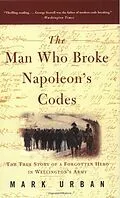
The little-known story of a brilliant British code-cracker: "[Urban] has pieced together the fragments and deciphered the truth about a hidden hero." - Daily Telegraph The Duke of Wellington-who began his military career as Arthur Wellesley-is rightly credited for the strategic and intelligence-gathering brilliance that culminated in Britain's defeat of Napoleon at Waterloo. Two centuries later, many of his subordinates are still remembered for their roles in these historic campaigns. But Lt. Col. George Scovell is not among them. This is the story of a man of common birth-bound, according to the severe social strictures of eighteenth-century England, for the life of a tradesman-who would become his era's most brilliant code-breaker and an officer in Wellesley's army. In an age when officers were drawn almost exclusively from the ranks of the nobility, George Scovell-an engraver's apprentice-joined Wellesley in 1809. Scovell provides a fascinating lens through which to view a critical era in military history-his treacherous rise through the ranks despite the scorn of his social betters, and his presence alongside Wellesley in each of the major European campaigns from the Iberian Peninsula through Waterloo. But Scovell was more than just a participant in those events. Already recognized as a gifted linguist, Scovell would prove a remarkably nimble cryptographer. Encoded communiqués between Napoleon and his generals, intercepted by the British, were brought to Scovell for his skilled deciphering. As Napoleon's encryption techniques became more sophisticated, Wellesley came to rely ever more on Scovell's genius for this critical intelligence. In Scovell's lifetime, his role in Britain's greatest military victory was grudgingly acknowledged, but his accomplishments would eventually be credited to others-including Wellington himself. His name-and contributions-have been largely overlooked. The Man Who Broke Napoleon's Codestells the fascinating story of the early days of cryptology, re-creates the high drama of some of Europe's most remarkable military campaigns, and restores the mantle of hero to a man heretofore forgotten by history. "Combine[s] the fast-paced narrative of a spy novel with colorful period detail describing the inner workings of an army staff at war." - Library Journal "Thrilling reading." - The Washington Times
Autorentext
As a journalist and former army officer, Mark Urban has the perspective of an eyewitness to the most crucial political events and military campaigns of our time. He lives in London and is a prominent BBC Newsnight correspondent.
Klappentext
History books report—and rightly so—that it was the strategic and intelligence-gathering brilliance of the Duke of Wellington (who began his military career as Arthur Wellesley) that culminated in Britain's defeat of Napoleon Bonaparte at Waterloo in 1815. Nearly two hundred years later, many of General Wellesley's subordinates are still remembered for their crucial roles in these historic campaigns. But Lt. Col. George Scovell is not among them.
The Man Who Broke Napoleon's Codes is the story of a man of common birth—bound, according to the severe social strictures of eighteenth-century England, for the life of a tradesman—who would in time become his era's most brilliant code-breaker and an officer in Wellesley's army. In an age when officers were drawn almost exclusively from the ranks of the nobility, George Scovell—an engraver's apprentice—joined Wellesley in 1809. Scovell provides a fascinating lens through which to view a critical era in military history—his treacherous rise through the ranks, despite the scorn of his social betters and his presence alongside Wellesley in each of the major European campaigns, from the Iberian Peninsula through Waterloo.
But George Scovell was more than just a participant in those events. Already recognized as a gifted linguist, Scovell would prove a remarkably nimble cryptographer. Encoded military communiqus between Napoleon and his generals, intercepted by the British, were brought to Scovell for his skilled deciphering. As Napoleon's encryption techniques became more sophisticated, Wellesley came to rely ever more on Scovell's genius for this critical intelligence.
In Scovell's lifetime, his role in Britain's greatest military victory was grudgingly acknowledged; but his accomplishments would eventually be credited to others—including Wellington himself. Scovell's name—and his contributions—have been largely overlooked or ignored.
The Man Who Broke Napoleon's Codes tells the fascinating story of the early days of cryptology, re-creates the high drama of some of Europe's most remarkable military campaigns, and restores the mantle of hero to a man heretofore forgotten by history.