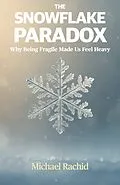
We live in an age where even simple words feel risky. Conversations tighten. People tread lightly. Disagreement - once a normal part of adulthood - is now treated as a threat. It's as if we're all trying to move without leaving a trace.
"The Snowflake Paradox" was written inside this atmosphere.
It's a reflection on how sensitivity expanded into a social rule, how emotional surveillance turned dialogue into a minefield and how the fear of being wrong suffocates spontaneity. In a voice that's clear, honest and quietly poetic, the book explores how education, digital culture, identity and anxiety converge to create a fragile - and strangely less human - social landscape.
And yet, it isn't a pessimistic book.
It's an invitation.
An invitation to reclaim boundaries, embrace imperfection, breathe more freely and rebuild the quiet courage that sustains emotional maturity. For anyone who feels the world has become too reactive, this book offers a calmer, clearer, more grounded way to look at things.