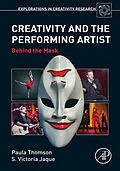
Creativity and the Performing Artist: Behind the Mask synthesizes and integrates research in the field of creativity and the performing arts. Within the performing arts there are multiple specific domains of expertise, with domain-specific demands. This book examines the psychological nature of creativity in the performing arts. The book is organized into five sections. Section I discusses different forms of performing arts, the domains and talents of performers, and the experience of creativity within performing artists. Section II explores the neurobiology of physiology of creativity and flow. Section III covers the developmental trajectory of performing artists, including early attachment, parenting, play theories, personality, motivation, and training. Section IV examines emotional regulation and psychopathology in performing artists. Section V closes with issues of burnout, injury, and rehabilitation in performing artists. - Discusses domain specificity within the performing arts - Encompasses dance, theatre, music, and comedy performance art - Reviews the biology behind performance, from thinking to movement - Identifies how an artist develops over time, from childhood through adult training - Summarizes the effect of personality, mood, and psychopathology on performance - Explores career concerns of performing artists, from injury to burn out
Autorentext
Paula Thomson, PsyD, is a professor at California State University, Northridge, professor emeritus in the Department of Theatre at York University in Toronto, and adjunct faculty at Pacifica Graduate Institute. For over thirty years, she has worked professionally as a dancer, choreographer and artistic director in dance, theatre and opera. She has worked internationally as a guest artist in organizations such as Stratford Shakespearean Festival, Canadian Opera Company, OperaWorks, University of Cape Town, University of Limerick, Banff School of Fine Arts, Ithaca College, Canadian Stage Company, and Julliard School of Music. As an author she has contributed numerous chapters in edited books including the Encyclopedia of Creativity. Together with co-author, Victoria Jaque, they direct the psychophysiological laboratory and conduct research on the effects of stress on performing artists and athletes. Their research has appeared in major peer-reviewed journals including Psychology of Aesthetics, Creativity and the Arts, Creativity Research Journal, Imagination, Cognition and Personality, Attachment and Human Development, Journal of Trauma and Dissociation, Death Studies, Journal of Dance Medicine and Science. She works as a Clinical Psychologist in private practice in Los Angeles. Her clinical expertise includes working with complex trauma, disorganized attachment, dissociation, and performance anxiety. In 2013, she was named one of the top 20 female professors in California.
Klappentext
Creativity and the Performing Artist: Behind the Mask synthesizes and integrates research in the field of creativity and the performing arts. Within the performing arts there are multiple specific domains of expertise, with domain-specific demands. This book examines the psychological nature of creativity in the performing arts. The book is organized into five sections. Section I discusses different forms of performing arts, the domains and talents of performers, and the experience of creativity within performing artists. Section II explores the neurobiology of physiology of creativity and flow. Section III covers the developmental trajectory of performing artists, including early attachment, parenting, play theories, personality, motivation, and training. Section IV examines emotional regulation and psychopathology in performing artists. Section V closes with issues of burnout, injury, and rehabilitation in performing artists.
- Discusses domain specificity within the performing arts
- Encompasses dance, theatre, music, and comedy performance art
- Reviews the biology behind performance, from thinking to movement
- Identifies how an artist develops over time, from childhood through adult training
- Summarizes the effect of personality, mood, and psychopathology on performance
- Explores career concerns of performing artists, from injury to burn out
Inhalt
Section I: Creativity Theory and Performing Artists 1. Understanding Creativity in the Performing Arts 2. Domains in the Performing Arts 3. The Person: Talent and Performing Artists 4. Creative Experiences 5. Imagination and Fantasy
Section II: Biological Manifestations of Creativity in Performing Artists 6. Neurobiology, Creativity, and Performing Artists 7. Physiology and Creativity 8. Flow and Neurophysiological Responses
Section III: Development of the Performing Artist 9. Early Development 10. Play and Theory of Mind 11. Attachment, Parenting, and Childhood Adversity 12. Personality and Motivation 13. Training the Performing Artist
Section IV: Emotion: Regulation, Resilience, and Pathology 14. Self-Regulation, Emotion, and Resilience 15. Mood and Creativity in the Performing Artist 16. Unresolved Mourning and Posttraumatic Stress Disorder in Performing Artist 17. Performing Artists and Psychopathology
Section V: Professional Reality of a Performing Artist 18. Careers in the Performing Arts 19. Injuries and Rehabilitation 20. Health Concerns and Burnout