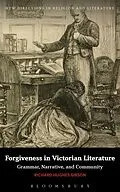
Forgiveness was a preoccupation of writers in the Victorian period, bridging literatures highbrow and low, sacred and secular. Yet if forgiveness represented a common value and language, literary scholarship has often ignored the diverse meanings and practices behind this apparently uncomplicated value in the Victorian period. Forgiveness in Victorian Literature examines how eminent writers such as Charles Dickens, George Eliot, Thomas Hardy, and Oscar Wilde wrestled with the religious and social meanings of forgiveness in an age of theological controversy and increasing pluralism in ethical matters. Richard Gibson discovers unorthodox uses of the language of forgiveness and delicate negotiations between rival ethical and religious frameworks, which complicated forgiveness's traditional powers to create or restore community and, within narratives, offered resolution and closure. Illuminated by contemporary philosophical and theological investigations of forgiveness, this study also suggests that Victorian literature offers new perspectives on the ongoing debate about the possibility and potency of forgiving.
Autorentext
Richard Hughes Gibson is Assistant Professor of English Literature at Wheaton College, USA.
Inhalt
Preface
Acknowledgements
1 Introduction: Grammar, Narrative, and Community
2 Dickens and Forgiveness in 1846: Liberality and Liability
3 Forgiving in Community: Trollope's The Vicar of Bullhampton and Eliot's Adam Bede
4 Forgiving in the Nineties: Hardy's Jude the Obscure and Wilde's De Profundis
Bibliography
Index