Autorentext
Prof. Rolf-Peter Warsitz is a specialist in psychiatry and psychotherapy, as well as psychosomatic medicine, and teaches social therapy, philosophical anthropology and psychoanalytic theory at the University of Kassel. Prof. Joachim Küchenhoff is a specialist in psychiatry and psychotherapy, as well as psychosomatic medicine, and is Professor of Psychiatry and Psychotherapy at the University of Basel and Director of Adult Psychiatry at Basselland Psychiatry.
Klappentext
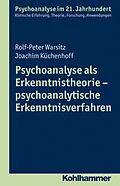
Erkenntnistheorien bilden das Fundament der klinischen Praxis. Durch sie können Therapeuten die eigene Tätigkeit besser verstehen. Gleichzeitig sind sie grundlegend für das Selbstverständnis einer Wissenschaft, um ihren Platz innerhalb der Scientific Community zu finden und zu behaupten. Diese Punkte sind für die Psychoanalyse besonders wichtig, da sie von der Neurobiologie bis zu den Literaturwissenschaften viele Kooperationspartner hat, aber auch weil ihr wissenschaftlicher Status umstritten bleibt. Das Buch verortet die Psychoanalyse erkenntnistheoretisch, zeigt aber zugleich, dass sie einen eigenen, unverwechselbaren erkenntnistheoretischen Weg geht.