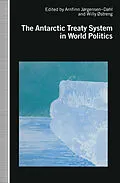
With particular emphasis on Norway, the papers in this volume discuss the significance of the Antarctic treaty system as it pertains to world politics.
Inhalt
Part 1 The Antarctic Treaty System - goals, performance and inmpact, Christopher D.Beeby; experiences from the Convention on Living Resources and Assessment, Francisco Orrega Vicuna; has CCAMLR worked? - management policies and ecological needs, John Heap; CCAMLR - the practical implications of an eco-system approach, M.Basson and J.R.Beddington; CCAMLR - a critical assessment, J.P.Puissochet. Part 2 The mineral convention (CRAMRA) as a management tool: the mineral potential of Antarctica - the state of the art, Geoffrey Larmine; negotiating a new regime - how CRAMRA came into existence, Rolf Trolle Andersen; the design of CRAMRA - how appropriate for the protection of the environment?, Alan D.Brown; the unfinished task - CRAMRA and the question of liability, Rudiger Wolfrum; CRAMRA and other environmental regimes in the ATS - how well does it fit?, Lee Kimball. Part 3 Resource management and the ATS at large - Antarctica and its place in the contemporary environmental movement, Sveneld Evteev; Antarctica and its place in the changing profile of science in Antarctica - a growing pressure for relevance?, Tucker Scully; SCAR in the ATS - conflict or harmony?, Carlos A.Rinaldi; CRAMRA - the ugly duckling of the ATS?, Christopher Joyner; protection of the environment in Antarctica - are present regimes enough?, James Barnes; the resource conventions implemented - consequences for the sovereignty issue, Peter Beck; the changing role of Antarctic science, Anders Karlquist; resource management - perceptions and misperceptions, Ian Nicholson.