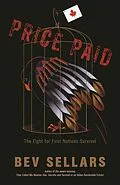
Price Paid: The Fight for First Nations Survival untangles truth from some of the myths about First Nations at the same time that it addresses misconceptions still widely believed today.
The second book by award-winning author Bev Sellars, Price Paid is based on a popular presentation Sellars created for treaty-makers, politicians, policymakers, and educators when she discovered they did not know the historic reasons they were at the table negotiating First Nations rights.
The book begins with glimpses of foods, medicines, and cultural practices North America's indigenous peoples have contributed for worldwide benefit. It documents the dark period of regulation by racist laws during the twentieth century, and then discusses new emergence in the twenty-first century into a re-establishment of Indigenous land and resource rights. The result is a candidly told personal take on the history of a culture's fight for their rights and survival. It is Canadian history told from a First Nations point of view.
Awards and recognition for Bev Sellars's They Called Me Number One: Secrets and Survival at an Indian Residential School
- 2014 George Ryga Award for Social Awareness in Literature
- 2014 Burt Award for First Nations, Métis, and Inuit Literature (third prize)
- Shortlisted for the 2014 Hubert Evans Non-Fiction Prize (B.C. Book Prizes)
- More than 40 weeks on the B.C. bestsellers list
Autorentext
Klappentext
The second book by award-winning author Bev Sellars, Price Paid is based on a popular presentation Sellars often told to treaty-makers, politicians, policymakers, and educators.
The book begins with glimpses of foods, medicines, and cultural practices North America's indigenous peoples have contributed to the rest of the world. It documents the dark period of regulation by racist laws during the twentieth century, and then discusses new emergence in the twenty-first century into a re-establishment of Indigenous land and resource rights. The result is a candidly told personal take on the history of Aboriginal rights in Canada and Canadian history told from a First Nations point of view.
Inhalt
Introduction
1876 and resistance to the Indian Act
1885 and the potlatch ban
1927 to 1951 attempts by government to restrict Aboriginal rights and land issues making it illegal to meet or fundraise for land claims, and resistance in multiple ways: through petitions by individual bands, formal statements from Indian Brotherhood and Sisterhood of B.C., Indian Homemakers' Association, and other groups, among other forms of resistance
1969 White Paper and the National Indian Brotherhood's response to it
early 1970s influence from the American Indian Movement (AIM)
1982 and effects of section 35 of the Canadian constitution
1992 founding of the B.C. Treaty Commission
1997 Delgamuukw and the Supreme Court of Canada's definitive statement on aboriginal title
1999 Nisga'a agreement
2009 Tsawwassen treaty
2014 Tsilhqot'in rights and title