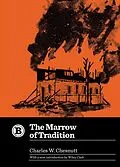
The classic, fictionalized account of a white supremacist insurrection in Reconstruction Era North Carolina-with a new introduction by Wiley Cash.
On November 10, 1898, a mob of 400 people rampaged through the streets of Wilmington, North Carolina. In a violent reaction to the political power gained by African Americans during Reconstruction, the mob killed as many as sixty citizens, overthrew elected leaders, and installed a white supremacist government. The Wilmington Insurrection-also known as the Wilmington Race Riots and the Wilmington Massacre-was the only successful coup d'etat on American soil.
The Marrow of Tradition is a fictionalized account of this important yet overlooked event. Charles W. Chesnutt, a North Carolina native and America's first black professional writer, narrates the story of "Wellington" North Carolina through the eyes of William Miller, a Black doctor, and his wife, Janet, who is both Black and the unclaimed daughter of a prominent white businessman.
With these and dozens of other characters, including a Black domestic servant whose speech is rendered in vernacular dialect, Chesnutt conjures a nuanced portrait of Reconstruction-a turbulent time of historic progress and vicious backlash.Autorentext
Charles W. Chesnutt (1858-1932) was an African-American author, essayist, political activist and lawyer, best known for his novels and short stories exploring complex issues of racial and social identity in the post-Civil War South.
Klappentext
On November 10, 1898, a mob of 400 rampages through the streets of Wilmington, North Carolina, killing as many as 60 citizens, burning down the newspaper office, overthrowing the newly elected leaders, and installing a new white supremacist government. The Wilmington Race Riots-also known as the Wilmington Insurrection and the Wilmington Massacre, is the only coup d'etat on American soil. The violence was prompted by the increasing political powers African Americans in the town were gaining during Reconstruction. The Marrow of Tradition is a fictionalized account of this important, under-studied event. Charles W. Chesnutt, an African American writer from North Carolina who lived in Cleveland as an adult and was the first black professional writer in the nation, narrates the story of "Wellington" North Carolina through William Miller, a black doctor, and his wife, Janet, who is both black and the unclaimed daughter of a prominent white businessman. Along with dozens of other characters, including a black domestic servant whose speech is rendered in vernacular dialect, they create a composite of Reconstruction and the violent racial politics created in backlash. The novel is also a masterful work of art that stands on its own: gripping, nuanced, and wholly original.