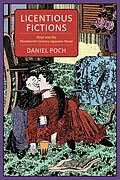
Nineteenth-century Japanese literary discourse and narrative developed a striking preoccupation with ninjo-literally "human emotion," but often used in reference to amorous feeling and erotic desire. For many writers and critics, fiction's capacity to foster both licentiousness and didactic values stood out as a crucial source of ambivalence. Simultaneously capable of inspiring exemplary behavior and a dangerous force transgressing social norms, ninjo became a focal point for debates about the role of the novel and a key motor propelling narrative plots.
In Licentious Fictions, Daniel Poch investigates the significance of ninjo in defining the literary modernity of nineteenth-century Japan. He explores how cultural anxieties about the power of literature in mediating emotions and desire shaped Japanese narrative from the late Edo through the Meiji period. Poch argues that the Meiji novel, instead of superseding earlier discourses and narrative practices surrounding ninjo, complicated them by integrating them into new cultural and literary concepts. He offers close readings of a broad array of late Edo- and Meiji-period narrative and critical sources, examining how they shed light on the great intensification of the concern surrounding ninjo. In addition to proposing a new theoretical outlook on emotion, Licentious Fictions challenges the divide between early modern and modern Japanese literary studies by conceptualizing the nineteenth century as a continuous literary-historical space.
Autorentext
Daniel Poch