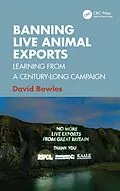
This is the first book to look at live exports of animals, one of the most emotive animal welfare issues still needing to be solved. The UK's historical concern with the exportation of animals to Europe has resulted in the creation of organisations to oppose it, mass demonstrations and even people dying in their efforts to stop the practice. The only animal welfare issue raised as a Brexit dividend, live exports were finally stopped in 2025. Why did it take 100 years to achieve this result?
In this book, David Bowles explores why live export of animals ever happened and why it ended, examining the economic, social and public opinion drivers, Britain's challenging relationship with Europe, and the different species impacted. It assesses campaigns to stop the trade in horses, sheep, cattle and calves from eight different countries, and determines why some were successful whilst others have increased rather than stopped. For instance,
- How was the First World War important in stopping the live export of horses from Britain?
- Why did live exports of cattle start after the Second World War and how was the British trade stopped?
- Why did Australia ban the live exports of sheep but not cattle?
- Do agricultural subsidies encourage or curtail live exports?
- How can you construct a live exports ban and remain consistent with international trade and animal welfare rules?
- How important was Brexit in the decision to ban live export of animals?
- Can other countries follow the UK and Australia in the future as campaigning in developing and importing countries starts?
Delving into campaigning tactics, Bowles asks whether the British ban is the beginning of the end for all live exports of animals or just a curious anomaly, specific to a so-called nation of animal lovers.
As well as being highly relevant for those in animal welfare, this book offers insights for anybody in social/political advocacy, campaigning and activism, regardless of the issue.
Autorentext
David has worked to improve animal welfare in a variety of roles for over 40 years including in zoos, undertaking field research and with non-governmental organisations. These include the Environmental Investigation Agency and the RSPCA with whom he has worked for over 30 years. As the Head of Public Affairs and campaigns, he coordinates the RSPCA's work to improve animal welfare through its campaign and political work. The RSPCA, as the oldest animal welfare organisation in the world, was set up 201 years ago to investigate and improve the transport of farm animals and continues to work across the globe to improve transport laws. David has been involved with the campaigns on live transport in the UK and Europe for over 35 years, writing many reports on the issue and attending campaign rallys to end live exports from Britain which finally occurred in 2025. He is a board member of the World Federation for Animals, the Canine and Feline Sector Group which advises the Government on dogs and cats, and the Association of Dog and Cat Homes which is the umbrella organisation for animal rescues.