Autorentext
Edmund Joseph Sullivan (1869?1933) began as a news and portrait illustrator for Victorian periodicals and advanced to book illustration, creating images for Thomas Carlyle's Sartor Resartus and The Rubaiyat of Omar Khayyam. His most famous illustration appears on the cover of the Grateful Dead's 1971 "Skull and Roses" album.
Klappentext
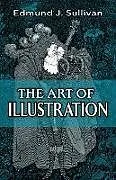
An influential teacher whose pen-and-ink drawings helped define the style of the early twentieth century, Edmund J. Sullivan sought to define the principles behind good illustration. His treatise―richly illustrated with black-and-white engravings by Holbein, Dürer, Rubens, Blake, and many others―also offers suggestions on materials and methods. Sullivan, who came of age during the heyday of graphic design and book illustration, was a firm believer in free but faithful artistic interpretations. In The Art of Illustration, he conducts a fascinating journey through art history that ranges back and forth in time from his contemporaries?including Beardsley, Doré, and Whistler?to Botticelli and other old masters. Sullivan's knowledgeable and informative discourse covers symbolism, cartoons, the use of models, the illustration of poetry and plays, children's books, and a host of other topics of enduring interest to artists and art lovers. www.doverpublications.com
Inhalt
Introduction
Note and Acknowledgments
I. The Art of Illustration
II. Whistler on the Content of Art
III. Purely Pictorial Art
IV. Thought Forms and Colours
V. Automatic Drawing and the Power of Suggestion
VI. Object and Subject
VII. Vivid Vision of Facts
VIII. Form and Line
IX. Symbolism
X. Cartoons
XI. Study of Style
XII. Consistency with Original Impulse Essential in Art
XIII. Flexibility of the Pen Line
XIV. Composition and the Principle of Groups
XV. On the Use of Models
XVI. Phil May and Beardsley
XVII. Botticelli and Progressive Interest
XVIII. Sandys and Boyd Houghton
XIX. Blake
XX. Millais and the Illustration of Verse
XXI. Dore and Scale
XXII. Reduction of Drawings by Process
XXIII. Some Limitations and Possibilities in Black and White Convention
XXIV. Suggestions to be found in Copperplate Engraving for Pen Drawing
XXV. "Line" and Lines
XXVI. Methods of Tone Drawing
XXVII. Coloured Illustration and "Make-Up"
XXVIII. Authors and Illustrations
XXIX. Transitional Times and Opinions
XXX. Truth to Life
XXXI. Blake on Imagination
XXXII. Emotional Quality of Vision
XXXIII. Great Literature not necessarily more inspiring than poor
XXXIV. Necessity for Accuracy of Reference to Text
XXXV. Illustration of Modern Plays
XXXVI. Children's Books
XXXVII. The Print Room
Index