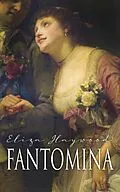
Eliza Haywood's Fantomina; or, Love in a Maze is a brisk, audacious prose fiction of erotic intrigue, disguise, and social critique. First published in 1725, it follows an unnamed gentlewoman who repeatedly transforms herself-into Fantomina, Celia, the Widow Bloomer, and Incognita-to pursue and outwit the inconstant Beauplaisir. Written in the lively idiom of early eighteenth-century amatory fiction, the work combines sensational plotting with sharp psychological observation, exposing the instability of identity, reputation, and gendered power in a culture governed by sexual double standards. Haywood was one of the most prolific and commercially successful writers of her age, active as novelist, playwright, actress, translator, and periodical author. Her intimate knowledge of theatrical performance and London's literary marketplace informs the novella's fascination with role-playing and spectatorship. As a woman writing within-and against-the conventions of amatory fiction, Haywood explored female desire with unusual frankness while revealing the social costs imposed upon women who act upon it. Fantomina is essential reading for students of the early novel, feminist literary history, and eighteenth-century culture. Compact yet richly suggestive, it rewards readers interested in wit, seduction, masquerade, and the politics of narrative control. This enriched edition has been carefully crafted to add value to your reading experience. - A succinct Introduction situates the work's timeless appeal and themes. - The Synopsis outlines the central plot, highlighting key developments without spoiling critical twists. - A detailed Historical Context immerses you in the era's events and influences that shaped the writing. - A thorough Analysis dissects symbols, motifs, and character arcs to unearth underlying meanings. - Reflection questions prompt you to engage personally with the work's messages, connecting them to modern life. - Hand-picked Memorable Quotes shine a spotlight on moments of literary brilliance. - Interactive footnotes clarify unusual references, historical allusions, and archaic phrases for an effortless, more informed read.
Autorentext
Eliza Haywood (1693-1756), was an English writer, actress and publisher. Haywood is a significant figure of the 18th century as one of the important founders of the novel in English. Eliza Haywood's prolific works, seen as "the fair triumvirate of wit", moved from titillating romance novels to the amatory during the early 1720s to works, focusing more on "women's rights and position". An increase in interest and recognition of Haywood's literary works began in the 1980s.
Zusammenfassung
At the time of its publication, a woman's sexual desire was thought to be muted, even nonexistent. Sexual pursuits of any kind were thought to be a man's game, left for a woman to indulge or deny. The novel and its author so obviously challenges the standing ideas of what desire looks like and who it can come from. The main protagonist disguises herself as four different women in her efforts to understand how a man may interact with each individual persona. She is intrigued by the men at the theater and the attention they pay to the prostitutes there, decides to pretend being a prostitute herself. Disguised, she especially enjoys talking with Beauplaisir, whom she has encountered before, though previously constrained by her social status's formalities. He, not recognizing her, and believing her favors to be for sale, asks to meet her. She demurs and puts him off until the next evening.... The story explores a variety of themes, almost none of which come without literary dispute and controversy. The protagonist's game of disguise touches on everything from gender roles, to identity, to sexual desire.