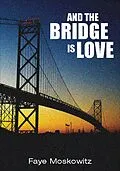
A collection of life stories so funny, moving that "you don't have to be a Jewish feminist mama to love this book... but it wouldn't hurt"( Tablet Magazine).
Here are the collected autobiographical writings of memoirist, poet, and professor Faye Moskowitz. Known for both her sense of humor-even in the bleakest of circumstances-and her insight into the relationships that define who we are, where we come from, and where we hope to be going, Moskowitz shares her own life stories in "a book that will make you stand up and cheer" ( The Detroit News).
From her childhood in Detroit during the Great Depression to the time when her mother abandoning the family to pursue her own dreams; from helping a dying friend simply get through another day to a hilarious account of binge eating at a wedding; from finding love and leaving home to building her own family and legacy, these recounted experiences give us "her piercingly tender observations about unlikely friendships, transgressive love, disappointing plants, and sacred Jewish rituals of the kitchen" ( Lilith Magazine).
Autorentext
Moskowitz is a beloved figure in Jewish American writing, who has taught many generations of aspiring writers. Her works have been widely anthologized and she continues to give readings. Many well-known writers, such as Vivian Gornick, Kim Chernin and Lore Segal have recognized her work and will be asked to blurb and/or do readings with Moskowitz when the book comes out. This book is one of her most popular. Good fit for writing programs and for Jewish studies. Moskowitz has loyal readership
Klappentext
"Bridges the gap between humor and despair, past and present, Jew and gentile, to reveal its author's simple humanity, deeply rooted in her unwavering love of family. . . . Touching and compelling."-The Washington Post
The Feminist Press brings back into print a literary gem. And the Bridge Is Love is a timeless collection of life stories about growing up in a Jewish family in Detroit during the Depression and becoming a writer in Washington, DC. The essays range from one on a friend who is dying to a hilarious account of binge eating at a wedding. In between these two poles is a world both modern and old-fashioned, vivid, yet vanishing.