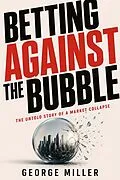
Every market crash in history was visible before it happened. The signs were there in the tulip prices of 1630s Holland, in the price-to-earnings ratios of Nasdaq stocks in 2000, and in the subprime mortgage data of 2006. Each time, a small group of investors saw what was coming, and each time they were dismissed as pessimists or crackpots. This book is about those investors, their methods, and the uncomfortable truth that betting against the crowd is one of the most difficult things a person can do, even when the crowd is obviously wrong.
What separates the investors who profit from collapses from those who are destroyed by them is not superior intelligence or secret information. It is a specific set of skills that can be learned, practiced, and refined. These include the ability to identify overvaluation before it becomes obvious, the temperament to act against the consensus, and the discipline to manage risk when the market proves you wrong for months before finally proving you right.
This book is structured as both a historical exploration and a practical manual, drawing on the lived experience of investors who have navigated multiple market cycles. We begin with the theory of why bubbles form. We then move to the mechanics of short selling, covering operational details that every short seller must understand before putting capital at risk. The middle chapters provide specific tools, data sources, and analytical frameworks for identifying overvalued stocks and timing entries. The final chapters address psychological challenges, the regulatory environment, and the practical workflow of managing a short portfolio.
Inside, you'll discover: . The bubble detection framework that professional short sellers use to spot overvalued markets before they crash . Specific tools and data sources for identifying overvalued stocks and timing your entries . Risk management frameworks that separate survivors from casualties in the short selling world . How to conduct financial statement forensics to detect accounting fraud and manipulation . The psychology of betting against consensus and maintaining conviction when the market is against you . A practical workflow for building and managing a short portfolio across multiple sectors . Proven strategies for surviving a short squeeze and knowing when to cut your losses
If you have ever looked at a stock trading at 100 times earnings and wondered why everyone is buying it, or watched a cryptocurrency surge 1,000% in a year and felt certain the end would be ugly, then you already have the instinct this book is built upon. The question is whether you have the conviction to act on that instinct and the skill to do it without being destroyed in the process.