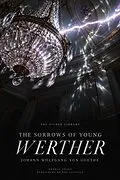
Complete and unabridged, with 96 full-page plates by Johann Heinrich Müntz, Johann Alexander Thiele and Christian Georg Schütz. A young man arrives in a country town, falls in love with a woman already promised to another, and writes letters about it until there is nothing left to write. Goethe was twenty-four; the book made him famous across Europe, was blamed for a wave of imitative suicides, and embarrassed him for the rest of his long life. Its power is the voice - unguarded, self-dramatising, and horribly recognisable. Ninety-six plates of camp weddings, river landscapes and portraits by painters such as Georg Philipp Rugendas and Johann Conrad Seekatz place Werther's private grief against the wider eighteenth-century world of soldiers, families and estates.
Autorentext
Johann Wolfgang von Goethe (1749-1832) was a German writer and statesman who served at the ducal court in Weimar. His novel The Sorrows of Young Werther (1774) made him a leading figure of the Sturm und Drang movement.