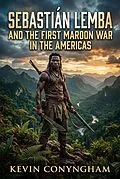
In the autumn of 1547, a container arrived in Santo Domingo from the mountains of the southwest. Inside was the head of the man Spain's first American colony had feared for fifteen years. Sebastián Lemba had crossed the Atlantic in chains around 1525 and spent seven years in the sugar mills of Hispaniola. In 1532 he led more than a hundred enslaved men into the Sierra de Bahoruco, where Taíno rebels had already shown the island's fugitives how to survive. There he built free communities with their own fields, forges and laws, seized horses from Spanish ranches, burned the mills that had consumed his companions, and pushed a hollowed-out colony to the brink of collapse. Kevin Conyngham reconstructs the first great maroon war in the Americas from colonial letters, court testimony and the verses of a conquistador-poet: the rise of sugar, the betrayals bought with royal pardons, the hunting companies and their dogs, and the ambush near San Juan de la Maguana that ended Lemba's life but not his memory. Vivid, rigorous and deeply humane, this is the story of what an empire tried to bury: in the New World, slavery and resistance were born together.
Autorentext
Kevin Conyngham grew up in the west of Ireland, in a county whose own history of emigration, dispossession and remembered rebellion first drew him to the stories empires prefer to forget. A lifelong reader of colonial chronicles and archival history, he has spent many years following the threads that connect the Atlantic world, from the ports of Andalusia to the mountains of the Caribbean. His particular fascination is with people who appear in the historical record only through the eyes of their enemies, and with the craft of recovering their lives honestly. He writes narrative history for general readers, and divides his time between Ireland and long research journeys abroad, most recently to the Dominican Republic.