When the School Day Ends, Why Does Everything Fall Apart?
Your child may cope through lessons, routines, noise, transitions, social demands, and expectations, then unravel soon after getting home. The result can look like irritability, tears, shutdown, conflict, refusal, sensory overwhelm, or a sudden explosion over something small. For many families, the hardest part is not simply the behavior. It is not knowing what is driving it or what to do next.
Understand the After-School Crash
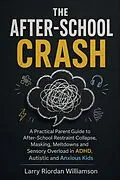
The After-School Crash explains the parent-used term after-school restraint collapse and the patterns that can sit beneath it, including masking, sensory overload, emotional regulation difficulties, anxiety, depleted capacity, hunger, fatigue, transitions, and ADHD-related challenges. Rather than treating every difficult afternoon as defiance, the book helps parents look for patterns, reduce avoidable load, and respond with greater clarity.
A Practical Framework for Calmer Afternoons
At the center of the book is the C.A.L.M. After-School Method: Check capacity, Alter the landing, Lower the load, and Map the pattern. You will learn how to examine what happened before the crash, shape the first part of the afternoon, reduce unnecessary demands without removing useful boundaries, and track patterns that may point to changes needed at home, at school, or with professional support.
The book also addresses homework battles, screen transitions, sibling conflict, sensory needs, school communication, medication rebound questions to discuss with a qualified prescriber, anxious behavior, school avoidance warning signs, and the difference between a child who needs recovery time and a child whose difficulties may require further assessment.
What Makes This Book Different
This is not a collection of quick calming tricks. It is a structured parent guide built around observation, decision-making, realistic examples, practical exercises, and evidence-informed discussion. The goal is to help you stop guessing why afternoons go wrong and start testing changes that fit your child, your household, and the demands they face.
Who This Book Is For
This book is for readers who are parenting a child who appears to cope at school but struggles at home, supporting an autistic or ADHD child through demanding school days, managing sensory overload or anxious after-school behavior, trying to reduce repeated afternoon conflict, or working with a child whose school-day stress is difficult to see from the outside.
If you want a practical guide to understanding after-school meltdowns without assuming that every child needs the same solution, The After-School Crash offers a structured place to begin. It can help you observe more carefully, respond more deliberately, communicate more clearly with school, and decide when home strategies are enough and when additional support may be needed.