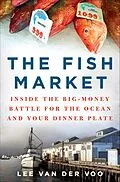
** Winner of the Oregon Book Award** Gulf Wild - the first seafood brand in America to trace each fish from the sea to the table - emerged after grouper, the star of fried fish sandwiches, fell off menus due to overfishing. The brand was born when the government privatized the rights to fish to fix the problem. Through traceability, Gulf Wild has met burgeoning consumer demand for domestic, sustainable seafood, selling in boutique grocers and catapulting grouper from the hamburger bun to the white tablecloth. But the property rights that saved grouper also shifted control of the fish from public to private, forever changing the relationship between wild seafood and the people that eat it. Aboard fishing vessels from Alaska to Maine, inside restaurants of top chefs, and from the halls of Congress, in The Fish Market, journalist Lee van der Voo tells the story of the people and places left behind in this era of ocean privatization-a trend that now controls more than half of American seafood. Following seafood money from U.S. docks to Wall Street, she explains the methods that investors, equity firms, and seafood landlords have used to capture the upside of the sustainable seafood movement, and why many people believe in them. She also goes behind the scenes of the Slow Fish movement-among holdouts against privatization of the sea- to show why they argue consumers don't have to buy sustainability from Wall Street, or choose between the environment and their fisherman.
Autorentext
Lee van der Voo
Inhalt
Introduction
Chapter 1. Bering Sea. 'Monsanto on the ocean.'
Chapter 2. Gulf Wild: How to make money in seafood just by watching TV
Chapter 3. Kodiak, Alaska. A big squeeze, an ugly divorce
Chapter 4. Gulf Wild: Conservationists reboot fishing
Chapter 5. Inside Passage, Alaska. Sharecroppers of the sea
Chapter 6. Gulf Wild: Traceable catch and the restaurant menu
Chapter 7. Port Orford, Oregon; Pacific Ocean. Farm stand seafood and the left behind
Chapter 8. Gulf Wild: Walmart, the Environmental Defense Fund, and the multimillion-dollar idea
Chapter 9. Kake, Alaska. The new colonialism
Chapter 10. Gulf Wild: White Collar Foodies
Chapter 11. Southern Ocean, New Zealand. What's the worst thing that could happen?
Chapter 12. Gulf Wild: An industry retools
Chapter 13. New Bedford, Massachusetts. Foreign equity, domestic seafood
Chapter 14. Gulf Wild: Chefs, fishermen, and policy wonks descend on Capitol Hill
Chapter 15. Chatham, Massachusetts; Nantucket Sound. History and its outlaws
Chapter 16. Gulf Wild: Tagged
Chapter 17. North Atlantic. A rare sight, and a remedy