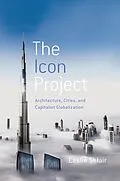
In the last quarter century, a new form of iconic architecture has appeared throughout the world's major cities. Typically designed by globe-trotting "starchitects" or by a few large transnational architectural firms, these projects are almost always funded by the private sector in the service of private interests. Whereas in the past monumental architecture often had a strong public component, the urban ziggurats of today are emblems and conduits of capitalist globalization. In The Icon Project, Leslie Sklair focuses on ways in which capitalist globalization is produced and represented all over the world, especially in globalizing cities. Sklair traces how the iconic buildings of our era-elaborate shopping malls, spectacular museums, and vast urban megaprojects--constitute the triumphal "Icon Project" of contemporary global capitalism, promoting increasing inequality and hyperconsumerism. Two of the most significant strains of iconic architecture--unique icons recognized as works of art, designed by the likes of Gehry, Foster, Koolhaas, and Hadid, as well as successful, derivative icons that copy elements of the starchitects' work--speak to the centrality of hyperconsumerism within contemporary capitalism. Along with explaining how the architecture industry organizes the social production and marketing of iconic structures, he also shows how corporations increasingly dominate the built environment and promote the trend towards globalizing, consumerist cities. The Icon Project, Sklair argues, is a weapon in the struggle to solidify capitalist hegemony as well as reinforce transnational capitalist control of where we live, what we consume, and how we think.
Autorentext
Leslie Sklair is Professor Emeritus of Sociology at the London School of Economics. He worked in a cotton mill outside Glasgow for two years before going to university to study sociology and philosophy. Both experiences fostered a life-long interest in how capitalist society works in different ways for different groups of people. In particular his long-standing interest in architecture and cities sharpened his vision on the power of the built environment to shape our lives.
Inhalt
INTRODUCTION The argument Sources Structure of the book CHAPTER 1 ICONIC ARCHITECTURE AND CAPITALIST GLOBALIZATION Architecture, Power, Aesthetics The Icon: history and theory of an idea Iconic for when Iconic for whom Iconic for where CHAPTER 2 TWO TYPES OF ICONIC ARCHITECTURE: UNIQUE AND TYPICAL The rise of iconic architecture Iconicity claims of top firms Starchitects and signature architects Architecture theme parks and other iconic projects CHAPTER 3 THE ARCHITECTURE INDUSTRY AND TYPICAL ICONS The sociology of architecture The architecture industry in the new millennium Successful typical icons Celebrity infrastructure CHAPTER 4 CORPORATE STARCHITECTS AND UNIQUE ICONS Frank Lloyd Wright and the FLW industry Le Corbusier and the Corb industry The rise of the starchitects Frank Gehry Norman Foster Rem Koolhaas Zaha Hadid CHAPTER 5 THE POLITICS OF ICONIC ARCHITECTURE Architectural iconicity and identities Politics and the architecture of transnational social spaces Iconic architecture in urban megaprojects Paris China CHAPTER 6 ARCHITECTS AS PROFESSIONALS AND IDEOLOGUES The criticality debate Third World Modernism and postcolonialisms Postcolonialist understandings of architecture Disney, China, and India Sustainability, human rights, and the architect's place in society CHAPTER 7 ARCHITECTURE AND THE CULTURE-IDEOLOGY OF CONSUMERISM Consumerist space in the city of capitalist globalization Architecture, consumerism, and the media Iconic architecture and shopping Performance spaces Displacement CHAPTER 8 ARCHITECTURE, CITIES AND ALTERNATIVE GLOBALIZATIONS APPENDIX Interview codes BIBLIOGRAPHY INDEX