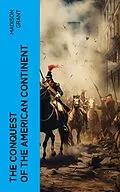
Madison Grant's The Conquest of the American Continent is a sweeping, polemical account of North American settlement framed through the racial theories that shaped early twentieth-century nativist discourse. Written in a confident, classificatory prose style, the book presents colonization, migration, and national expansion as movements of "stocks" and "races," rather than as complex social, economic, and political processes. Its literary context lies less in modern historiography than in the pseudo-scientific racial writing and restrictionist arguments of its era. Grant was a prominent American conservationist, lawyer, and leading advocate of eugenics, best known for The Passing of the Great Race. His interests in heredity, national identity, and elite lineage strongly informed his historical interpretations. The book reflects the anxieties of his class and time: fears over immigration, demographic change, and the perceived decline of Anglo-Saxon dominance in the United States. This volume is recommended not as reliable history, but as a revealing primary document for readers studying racial ideology, immigration politics, and the intellectual climate of interwar America. Approached critically, it helps illuminate how scholarly language was used to legitimize exclusionary and harmful ideas. This enriched edition has been carefully crafted to add value to your reading experience. - A succinct Introduction situates the work's timeless appeal and themes. - The Synopsis outlines the central plot, highlighting key developments without spoiling critical twists. - A detailed Historical Context immerses you in the era's events and influences that shaped the writing. - A thorough Analysis dissects symbols, motifs, and character arcs to unearth underlying meanings. - Reflection questions prompt you to engage personally with the work's messages, connecting them to modern life. - Hand-picked Memorable Quotes shine a spotlight on moments of literary brilliance. - Interactive footnotes clarify unusual references, historical allusions, and archaic phrases for an effortless, more informed read.