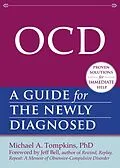
When someone is diagnosed with obsessive-compulsive disorder (OCD), chances are they've been living with the symptoms for a long time. People with OCD may have long felt embarrassed by their thoughts and behaviors, which may include fear of contamination, the need for symmetry, pathological doubt, aggressive thoughts, repeating behaviors, and obsessive cleaning. OCD: A Guide for the Newly Diagnosed helps readers understand how OCD works so they can develop better strategies for coping with their symptoms. This pocket guide offers guidance for coping with the diagnosis itself, discusses stigmas related to OCD, and includes help for readers unsure of who they should tell about the diagnosis. Readers also learn about the most effective treatment approaches and easy ways to begin to manage their OCD symptoms.
An OCD diagnosis can be a devastating event, or it can be a catalyst for positive change. Books in the Guides for the Newly Diagnosed series provide readers with...
Autorentext
Michael A. Tompkins, PhD, ABPP, is a licensed psychologist who is board certified in behavioral and cognitive psychology. He is codirector of the San Francisco Bay Area Center for Cognitive Therapy; assistant clinical professor at the University of California, Berkeley; Diplomate and Founding Fellow of the Academy of Cognitive Therapy; and trainer and consultant for the Beck Institute for Cognitive Behavior Therapy. He is author or coauthor of numerous scholarly articles and chapters on cognitive behavioral therapy (CBT) and related topics, as well as seven books.