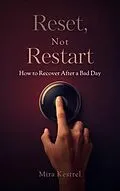
A bad day does not have to become a bad week. Yet many of us respond to a rough stretch with the same tempting idea: "Tomorrow I will restart and do everything properly." Reset, Not Restart shows why that fantasy backfires - and what to do instead. This is a practical guide to bad day recovery that helps you stabilise quickly, shrink the problem back to its real size, and get moving again without self-punishment or melodrama.
Mira Kestrel walks you through the mechanics of how a day spreads: mood spillover, fatigue, replay loops, and self criticism that keeps you stuck. You will learn how to interrupt a rumination stop moment, choose what must be repaired first, and use simple repair steps that work even when you are tired. The heart of the book is an evening reset routine you can repeat, plus a protective next morning plan that makes it easier to return to normal action.
This book is for anyone who wants steadier days: people juggling work, caregiving, studies, health worries, or simply the emotional wear of modern life. You will not be asked to reinvent yourself, force positivity, or build a complicated system. You will be guided to make a reset small enough to do, clear enough to trust, and kind enough to repeat - so one hard day becomes a moment you can recover from, not a story you have to live inside.
Autorentext
"Mira Kestrel writes about everyday resilience: the small, repeatable choices that help people return to themselves after stress, mistakes, and ordinary disappointments. Her work is grounded in the belief that most of us do not need a new personality or a perfect routine - we need a way to steady our nervous system, clarify the next step, and repair what matters without turning life into a referendum on our worth.She draws on lived experience of high-pressure weeks, awkward conversations, and the familiar late-evening moment when the mind tries to re-run the day for evidence. Over time, she became interested in the practical craft of recovery: how homes, schedules, and self-talk can either inflame a hard day or help it taper off. Her approach is simple and human, designed for real evenings when you are hungry, tired, and not in the mood for grand theories.A subtle thread running through her writing is an affection for older, steadier rhythms: the idea of closing the day with small acts of order, like setting things ready for morning, echoes domestic traditions found across British life. She treats these not as nostalgia, but as proof that calm is often built from basics. Her aim is to offer readers language and tools that feel supportive, realistic, and immediately usable."