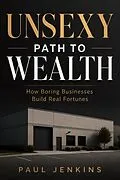
I have spent more than 2 decades buying, building, and running businesses that never appear on the covers of glossy magazines. I have scrubbed office buildings at 4 in the morning through a commercial cleaning company, serviced the same 300 homes through a pest control route, and hauled waste for a roll-off dumpster operation I bought from a retiree. None of these businesses ever went viral, and none would impress anyone at a dinner party. Yet they made me wealthy in a way that my earlier, far more exciting ventures never did. The data tells a story that almost nobody wants to hear, because the story is boring. The research of Stanley and Danko found that most millionaires built their wealth through self-employment in unglamorous businesses, and roughly 80% are first-generation wealthy people who never inherited a cent. The IRS data shows that business income rivals and slightly exceeds wage income among the highest earners in the country. Inside, you will discover: . The unsexy wealth gap, and what the tax data actually shows . The passive income lie, and what passivity really costs to build . The boring business scorecard and the landscape of unglamorous fortune . Build, buy, or franchise, and the math of boring deals . How to buy a sleepy business and how to start ugly . Pricing as a strategic weapon, the hiring problem, and the cash game . Marketing the boring business, running it without you, and the exit The framework is simple, and it runs through every chapter: boredom is a moat, profit is an opinion but cash is a fact, and the work of a boring business is the management of people, money, and standards. Wealth arrives the way rust does: slowly, invisibly, and then unmistakably. The people who succeed are not more intelligent than those who fail. They are simply more willing to be patient and to keep doing the unglamorous work long after the excitement fades. The businesses are boring, but the result is anything but.