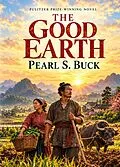
Pearl S. Buck's Pulitzer Prize-winning classic of family, ambition, hardship, and the enduring pull of the land. Wang Lung is a poor farmer whose life is bound to the soil he works. When he marries O-lan, a former servant from a wealthy household, the two begin building a life together through relentless labor, thrift, and determination. Their fortunes rise and fall with harvests, famine, war, and the unpredictable currents of Chinese society. As Wang Lung acquires land and wealth, the poverty that once defined him begins to recede-but prosperity brings its own temptations, conflicts, and disappointments. His growing family becomes divided by ambition, status, and competing ideas about what their future should be. Set in rural China in the years before the Communist revolution, The Good Earth is both an intimate family story and a sweeping portrait of social change. Pearl S. Buck writes with particular attention to ordinary life: hunger and abundance, birth and death, marriage and betrayal, and the deep psychological attachment between people and the land that sustains them. Published in 1931, The Good Earth became an international bestseller and won the Pulitzer Prize for the Novel in 1932. It later formed the first volume of Buck's House of Earth trilogy and helped establish her as one of the most widely read American writers of the twentieth century.
Autorentext
Pearl S. Buck (1892-1973) was an American novelist, essayist, and humanitarian who spent much of her childhood and early adulthood in China. Her extensive knowledge of Chinese language and culture deeply influenced her fiction. The Good Earth won the Pulitzer Prize in 1932, and in 1938 Buck became the first American woman to receive the Nobel Prize in Literature.