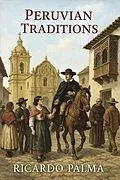
Peruvian Traditions is one of the great classics of Latin American literature, a remarkable collection of historical narratives, legends, anecdotes, and chronicles that illuminate the rich and complex history of Peru. Drawing upon archival research, oral tradition, popular memory, and literary imagination, Ricardo Palma transforms forgotten episodes of colonial and republican life into vivid stories filled with intrigue, humor, irony, romance, and adventure. Kings and viceroys, soldiers and clerics, rebels and rogues, noblemen and commoners all find their place within these unforgettable pages.
Neither conventional history nor pure fiction, these narratives occupy a unique literary space in which documented events mingle with folklore and popular tradition. Palma's distinctive voice combines the rigor of the historian with the wit of the storyteller, producing accounts that are as entertaining as they are enlightening. Through tales of conquest, political upheaval, religious controversy, social customs, and everyday life, readers gain a vivid portrait of Peru across centuries of transformation.
More than a collection of stories, Peruvian Traditions is a cultural monument that preserves the memory, character, and imagination of a nation. Its pages reveal the humor, resilience, contradictions, and humanity of Peru's past while offering universal reflections on power, ambition, faith, love, and fate. Rich in historical detail and literary charm, this enduring masterpiece remains essential reading for anyone interested in Latin American history, literature, and culture.
Autorentext
Ricardo Palma (1833-1919) was a Peruvian writer, historian, journalist, and librarian whose work helped define the literary and cultural identity of Peru. Best known for his celebrated Peruvian Traditions (Tradiciones Peruanas), Palma blended historical research, folklore, humor, and storytelling to recreate the world of colonial and early republican Peru. Following the devastation of the War of the Pacific, he devoted himself to rebuilding Peru's National Library, earning the enduring title of "The Beggar Librarian." Today he is regarded as one of the most influential figures in Latin American literature and a foundational voice in Peruvian cultural history.