- Have difficulty falling asleep?
- Wake in the middle of the night?
- Suffer sleep terrors, sleepwalking, or nighttime fears?
- Have difficulty waking for school or staying awake in class?
- Snore, wet the bed, or head bang?
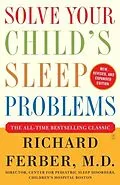
In the first major revision of his bestselling, groundbreaking classic since it was published twenty years ago, Dr. Richard Ferber, the nation's foremost authority on children's sleep problems, delivers safe, sound ideas for helping your child fall and stay asleep at night and perform well during the day.
Incorporating new research, Dr. Ferber provides important basic information that all parents should know regarding the nature of sleep and the development of normal sleep and body rhythms throughout childhood. He discusses the causes of most sleep problems from birth to adolescence and recommends an array of proven solutions for each so that parents can choose the strategy that works best for them. Topics covered in detail include:
- Bedtime difficulties and nighttime wakings
- Effective strategies for naps
- Sleep schedule abnormalities
- A balanced look at co-sleeping
- New insights into the nature of sleep terrors and sleepwalking
- Problems in setting limits
- Sleep apnea, narcolepsy, bed-wetting, and head banging
Solve Your Child's Sleep Problems offers priceless advice and concrete help for a whole new generation of anxious, frustrated, and overtired parents.
Autorentext
Richard Ferber, M.D., is Director Emeritus of the Center for Pediatric Sleep Disorders at Children's Hospital Boston. He lives in Newtonville, Massachusetts.
Zusammenfassung
Does your child Have difficulty falling asleep? Wake in the middle of the night? Suffer sleep terrors, sleepwalking, or nighttime fears? Have difficulty waking for school or staying awake in class? Snore, wet the bed, or head bang? In the first major revision of his bestselling, groundbreaking classic since it was published twenty years ago, Dr. Richard Ferber, the nation's foremost authority on children's sleep problems, delivers safe, sound ideas for helping your child fall and stay asleep at night and perform well during the day. Incorporating new research, Dr. Ferber provides important basic information that all parents should know regarding the nature of sleep and the development of normal sleep and body rhythms throughout childhood. He discusses the causes of most sleep problems from birth to adolescence and recommends an array of proven solutions for each so that parents can choose the strategy that works best for them. Topics covered in detail include: Bedtime difficulties and nighttime wakings Effective strategies for naps Sleep schedule abnormalities A balanced look at co-sleeping New insights into the nature of sleep terrors and sleepwalking Problems in setting limits Sleep apnea, narcolepsy, bed-wetting, and head banging Solve Your Child's Sleep Problems offers priceless advice and concrete help for a whole new generation of anxious, frustrated, and overtired parents.
Inhalt
Acknowledgments
List of Figures
Preface to the Second Edition
CHAPTER 1: At the End of Your Rope
Can a Child Just Be a "Poor Sleeper"?How to Tell Whether Your Child Has a Sleep Problem
Starting with a Basic Understanding of Sleep
CHAPTER 2: What We Know About Sleep
Non-REM SleepREM Sleep
How Sleep Stages Develop in Children
Children's Sleep Cycles
Sleep and Waking Patterns
The Importance of Biological Rhythms
CHAPTER 3: Helping Your Child Develop Good Sleep Practices
The Importance of Your Child's Bedtime Routines"Back to Sleep": Reducing the Risk of SIDS
Should Your Child Sleep in Your Bed?
Specific Issues Related to Co-sleeping
The Sleep Challenges of Multiples: Twins and Triplets
The Special Toy or Favorite Blanket
Developing Good Schedules
CHAPTER 4: Sleep Associations: A Key Problem
A Typical Sleep Association ProblemWhy Sleep Associations Matter
Wrong Sleep Associations
How to Solve the Problem: The Progressive-Waiting Approach
Making the Changes in One Step or Several
Associations to the Breast, Bottle, or Pacifier
Co-sleeping and Related Considerations
If Things Are Not Getting Better
General Observations
CHAPTER 5: The Problem of Limit Setting
Who's in Charge?Difficulty Setting Limits
Limits, Associations, Feedings, Schedules, and Fears
Setting Limits at Night
Limit Setting Problems: Some Examples
CHAPTER 6: Feedings During the Night: Another Major Cause of Trouble
Is Your Child's Sleep Problem Caused by Nighttime Feedings?How to Solve the Problem
Other Points to Keep in Mind
Medical Considerations
CHAPTER 7: Nighttime Fears
The Anxious ChildBedtime Fears
Evaluating Your Child's Fears
How to Cope with Nighttime Fears
Techniques to Help a Child Feel Less Frightened and Fall Asleep Quickly
Final Considerations
CHAPTER 8: Colic and Other Medical Causes of Poor Sleep
ColicChronic Illness
Nocturnal Pain
Medication
Abnormal Brain Function and a True Inability to Sleep Well
CHAPTER 9: Schedules and Rhythms
Sleep PhasesThe Circadian System and the Forbidden Zone for Sleep: Why You Can Stay Awake Until Bedtime -- and Sleep Until Morning
Setting the Biological Clock: How Do You Know What Time Zone You Are In?
Individual Differences: Are You a Lark or an Owl?
Society, Sleep Deprivation, and the Adolescent
Specific Sleep Problems Affecting Different Parts of the Sleep Cycle: A Summary
CHAPTER 10: Schedule Disorders I: Sleep Phase Problems
Sleep PhasesSleep Phase Shifts
Sleep Phase Shifts in the Adolescent
CHAPTER 11: Schedule Disorders II: Other Common Schedule Problems
Problems in Regular SchedulesIrregular and Inconsistent Sleep-Wake Schedules
Travel
CHAPTER 12: Naps
Problems with the Length and Timing of NapsTrouble Giving Up a Nap: Transition Problems
Nap Time Sleep Association Problems
Napping (or Not) at Home and at Day Care
You May Have to Accept What Works
CHAPTER 13: Partial Wakings: Sleep Talking, Sleepwalking, Confusional Arousals, and Sleep Terrors
I. What They Are and Why They HappenThe Normal Transition from Deep (Stage IV) Sleep Toward Waking
More Intense Transitions: A Spectrum of Confusional Events
What a Confusional Event Feels Like
Why Confusional Events Happen: The Balance Between Sleep and Waking
The Variability of Arousals over Time
Evaluating Confusional Events: When to Take Action
II. Treatment
What You Should Do and What Else to Consider
How We Helped the Children Described Earlier
CHAPTER 14: Nightmares
What Nightmares Are and Why They OccurHow to Help Your Child If He Is Having Nightmares
Nightmares and Confusional Events
Nightmares or " 'No'-mares"?: "I had a bad dream"
CHAPTER 15: Bedwetting
The Impact of EnuresisWhat Causes Enuresis?
Approaches to Treating Enuresis
Final Words
CHAPTER 16: Head Banging, Body R…