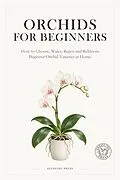
It usually starts with a moth orchid from the supermarket or a present from a friend. It flowers for months, the last bloom drops, and then nothing happens for a very long time. Orchids are not disposable, and they are not especially difficult. They are simply different, and once you understand how, almost everything about looking after them falls into place.
Most houseplant orchids are tree-dwellers in the wild, clinging to bark with roots that soak up rain and then dry in moving air. Hold on to that picture and the rules make sense: chunky bark rather than ordinary compost, a good soak and a thorough drain rather than a daily dribble, and air around the roots. This book follows an orchid's life in your care, from choosing a healthy plant to repotting it, coaxing it to flower again and making new plants from it.
What you'll find inside
. How to read an orchid label, including grex names, hybrid genera and recent name changes
. Choosing and buying a healthy plant, and matching it to the rooms you actually have
. Portraits of the easy four: moth orchids, cymbidiums, dendrobiums and dancing ladies
. The next steps: slipper and pansy orchids, zygopetalums, cattleyas, the jewel orchid and cool-room specialists
. Light, temperature, humidity, watering and feeding, orchid by orchid
. Bark mixes and pots, with a simple home-made recipe and the arguments over clear plastic and terracotta
. Repotting step by step, including how to rescue a plant with very few roots
. Getting orchids to flower again, with clear options for where to cut the old stem
. Division, keikis and cuttings, plus pests, diseases and the disorders that are really messages about conditions
. A month-by-month calendar, troubleshooting tables and a glossary
Who it's for
If you have one orchid on the windowsill and a nagging sense that it ought to be doing more, this is for you. No greenhouse, special lamps or humidifier are needed for the orchids in this book, just a bright windowsill that doesn't bake in summer. If you already grow a few, there is plenty of detail on cool-spell routines, dendrobium rests and the different needs of each group.
Timings are given for the UK and similar temperate climates, with a Southern Hemisphere conversion table and notes for warmer and colder homes. Measurements are metric first, with imperial in brackets.
Where the experts disagree
Should you mist? Are pebble trays worth having? Is watering with ice cubes clever or cruel? Respected authorities give different answers, often because they are writing for different climates or homes. Rather than pretending there is one right way, the book sets out the alternatives and the reasons behind them so you can choose what suits your plants. It is equally careful about safety, with pet information given strictly as the ASPCA lists it and clear notes on blades, bleach and sphagnum moss.
The first fat green root tip creeping across the bark is a very good sign.