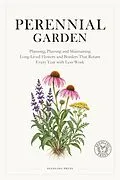
Walk past a perennial border in late winter and you could be forgiven for thinking you'd been sold a dud: brown stems, flattened grasses, bare soil looking faintly accusing. Then one mild morning a crimson shoot appears at the base of the peony, the catmint begins to unfurl, and the whole cast comes back without anyone sowing a seed. This book is about planning, planting and looking after those returning plants so that they give you a long season of flowers, good shapes in winter and less work than you might expect.
No border looks after itself, and the book doesn't pretend otherwise. What perennials offer is work that is mostly predictable, mostly seasonal and mostly light, provided the big decisions are right at the start. Three ideas run through every chapter: choose plants that suit the place, leave much of the border standing through winter, and do jobs such as division only when the plants ask for them.
What you'll find inside
. How hardiness works, with RHS ratings, USDA zones, AHS heat zones and Australian zones explained
. Reading your site: sun, shade, frost pockets, wind, soil type, pH and a simple drainage test
. Clearing the ground, including ground elder and bindweed, and making a no-dig border
. Design principles, and the story of border styles from Gertrude Jekyll and Beth Chatto to Piet Oudolf
. A practical guide to matrix and prairie-style planting, from plugs or from seed
. Planting plans with worked examples, sensible spacings and real plant numbers
. Buying, planting, watering, mulching and feeding, including when feeding isn't needed at all
. Staking, the Chelsea chop, deadheading, cutting back and leaving stems for wildlife
. Division, basal and root cuttings, and the usual pests and diseases, from slugs to hosta virus X
. Plant profiles grouped by situation: sun, moist soil and clay, shade, and coastal gardens
Who it's for
If you're starting from scratch, the early chapters take you from bare ground to a planting plan before you spend anything. If you have a border that disappoints, the chapters on site, design and maintenance should tell you why. Experienced growers will find plenty on division, root cuttings, regional timings and the gardeners who shaped the modern border.
Timings are given for the UK and similar temperate climates first, with cold-winter North America, the hot south-eastern United States, Australia and New Zealand covered where good information exists. A month-by-month calendar, troubleshooting tables, quick-reference plant tables and a glossary finish the book.
Safety, plainly stated
Toxicity and sap irritation are noted plant by plant, with what to do in an emergency for people and for pets. No plant is called safe for pets or children unless a recognised authority says so, and very few are. Plants that spread too freely, and the rules on invasive species in the UK, New Zealand, parts of Australia and California, are set out clearly.
The best time to start a perennial border is whenever you can see the ground and the soil isn't frozen or waterlogged. The second best time is next spring.