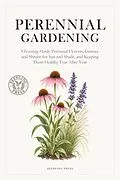
A good many perennials are lost at the garden centre rather than in the garden. A lavender that wants baking sun and sharp drainage goes home to a damp, half-shaded corner of clay, and an astilbe that needs moist roots all summer ends up in the dry strip under a hedge. Neither plant is difficult. Both were simply put in the wrong place, and this book is about finding the right one.
It begins with the three things that decide whether a plant lives where you put it: cold and heat, soil, and light. You'll learn to read a hardiness rating, get to know your soil with your hands and a saucer of vinegar, and work out whether that bed really gets full sun or only looks as if it does. Then comes the heart of the book, a directory of hardy perennials, ornamental grasses and border shrubs grouped by the conditions they need, from hot, dry gravel and heavy clay to dappled shade and the dry shade under trees. Every profile follows the same pattern, so you can compare like with like.
The second half is about the years after planting. Perennials are often sold as low-maintenance, and many are, but low is not the same as none. Here are the jobs that keep a border healthy, explained plainly and in order.
What's inside
Hardiness ratings made clear, and why a wet winter can finish off a plant that would have shrugged off a harder frost in dry soil
Simple soil tests, a straightforward guide to light and aspect, and clearing perennial weeds by digging or smothering
What a plant label is telling you, how to spot a healthy plant before you buy, and step-by-step planting for perennials and shrubs
Profiles for sun and dry soil, sun and moist or clay soil, partial shade and deep or dry shade, from catmint and coneflowers to hostas, hellebores and ferns
Ornamental grasses and sedges, with cutting-back and dividing times for cool-season and warm-season types
Shrubs for mixed borders: evergreen backbone, small shrubs for small gardens, and alternatives to box
Plants for pollinators, winter structure, coastal gardens and containers
Watering, mulching and feeding (needed less often than you might think), plus staking, deadheading, cutting back and the Chelsea chop
Dividing tired clumps, propagating from seed and cuttings, and knowing when a short-lived perennial is due for replacement
Pruning shrubs by group, pests, diseases and disorders, with a month-by-month calendar, troubleshooting tables and a glossary
Who it's for
It's written first for beginners who want plants that come back, and anyone with an awkward corner that has seen off several attempts. Experienced gardeners get current botanical names alongside the ones on the label, RHS ratings with USDA zones, and timings to adjust wherever you garden.
A practical approach
The emphasis is on prevention and on things you can do with your hands rather than a sprayer. Where the experts disagree, you get both views. And when a popular remedy has been tested and found wanting, as several slug barriers were in an RHS trial, the book says so.
Start with the corner you've been avoiding. There's a fair chance something in these pages would be glad to live there.