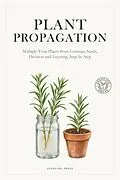
Somewhere on a kitchen windowsill there is a jam jar with a sprig of mint in it, and a fortnight after someone forgot about it, white roots are curling round the bottom of the glass. That small, slightly smug moment is the whole of this book in miniature: a piece of one plant, given the right conditions, will make another.
Propagation is about as cheap as gardening gets, and among the most satisfying. A packet of seed often costs less than a single plant, a hedge from hardwood cuttings costs a few weekends and some patience, and a tired clump of hostas lifted and split in spring gives you several plants where there was one. This book explains every main method step by step, and why each works, so you can multiply the plants you already have and keep favourites going for years.
Methods covered
. Seed or clone: when a seed will come true, F1 hybrids, and how to choose a method
. Tools, compost, propagators and the clean working that stops cuttings rotting
. Sowing indoors and outdoors, hardening off and planting out
. Breaking awkward seed dormancy by chilling, warmth, nicking and even smoke
. Saving your own seed, including isolation distances, fermentation and storage
. How cuttings root, then softwood, semi-ripe, hardwood, leaf, cane and root cuttings in turn
. Simple, serpentine, tip and air layering, plus division, suckers, runners and offsets
. Bulbs, corms and tubers, including scaling lilies, chipping bulbs and dividing dahlia tubers
. Grafting and budding, with whip-and-tongue and chip budding explained
. A plant-by-plant guide, a propagation calendar, troubleshooting and a glossary
Start with the easy ones
If you have never done this before, the book suggests beginning with plants that build confidence. Tender fuchsias generally root from soft shoots in ten to twenty days. Spider plants hand you their babies ready-made. A hardwood cutting of a currant bush or a willow, pushed into the ground in late autumn, needs little beyond being left alone, and a congested clump of daylilies can be split with two garden forks in an afternoon. Experienced gardeners will find the detail they need for fussier subjects, from double dormancy to rootstock choice.
Timings, safety and the law
Timings default to the UK and similar temperate climates, with the season and the plant's stage of growth given as well as the month, since plants don't read calendars. North American timings are given for the state they come from, Australian timings appear where they are known, and Southern Hemisphere readers are encouraged to follow the season and the plant rather than a fixed shift from British dates.
Safety notes cover poisonous seeds such as castor oil plant and laburnum, sap that blisters skin in sunlight, sharp blades and rooting hormone, along with what is known about each plant's effect on pets. Two final chapters explain plant breeders' rights, collecting from the wild, invasive plants you must not spread, and the plant-health rules on bringing cuttings and seeds home from abroad.
Not every cutting roots, so take a few spares. The extras make very good presents.