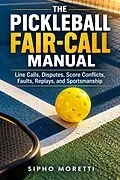
The Pickleball Fair-Call Manual
Line Calls, Disputes, Score Conflicts, Faults, Replays, and Sportsmanship
A close call can end a rally. A bad argument can ruin the evening.
What happens when your doubles partner calls a ball out and you saw it land in? Who gets to call a kitchen fault? Can you challenge the score after a serve? And what should you actually say when the other team is certain you are wrong?
The Pickleball Fair-Call Manual gives recreational and competitive players a practical way through the decisions that turn an otherwise good game sour. Built around the 2026 USA Pickleball rulebook, this field guide explains pickleball rules and line calls in plain language, with specific examples and phrases you can use without sounding like you brought a lawyer onto the court.
Inside, you'll learn how to:
- Call close lines using the rulebook's benefit-of-the-doubt standard, and distinguish a valid out call from an airborne warning.
- Handle pickleball dispute resolution when partners disagree, opponents ask for your opinion, or a referee makes the final call.
- Recognize non-volley-zone faults, pickleball serve foot faults, and which violations players are actually permitted to call.
- Resolve pickleball score disputes, late challenges, hinder requests, and replays without stopping every rally for a debate.
- Use short apology, concession, and de-escalation scripts that support better pickleball sportsmanship.
- Set up court and club agreements that prevent the same disagreement from returning next week.
Fifteen chapters, quick-reference appendices, practice drills, sample conversations, and illustrative scenarios make this a usable guide rather than a dense rules digest. You can read it in order or go straight to the problem that just happened on your court.
The book distinguishes recreational play from officiated tournament procedures and cites the 2026 rule sections so you can check the source when the stakes are higher. It won't promise that every opponent will be reasonable. It will give you better tools for the ones who aren't.
For players, doubles partners, league organisers, and anyone who has ever heard "Are you sure?" after a line call.
Get back to playing pickleball. The ball will give you plenty to worry about without adding a courtroom to the baseline.